AI calls a customer – is the consent in place?
AI can now call consumers just as smoothly as a human can. The fact that something is technically possible doesn't mean it's legally allowed. Here's what the law says about automated sales calls, and how Puhebotti has solved it.
In a nutshell
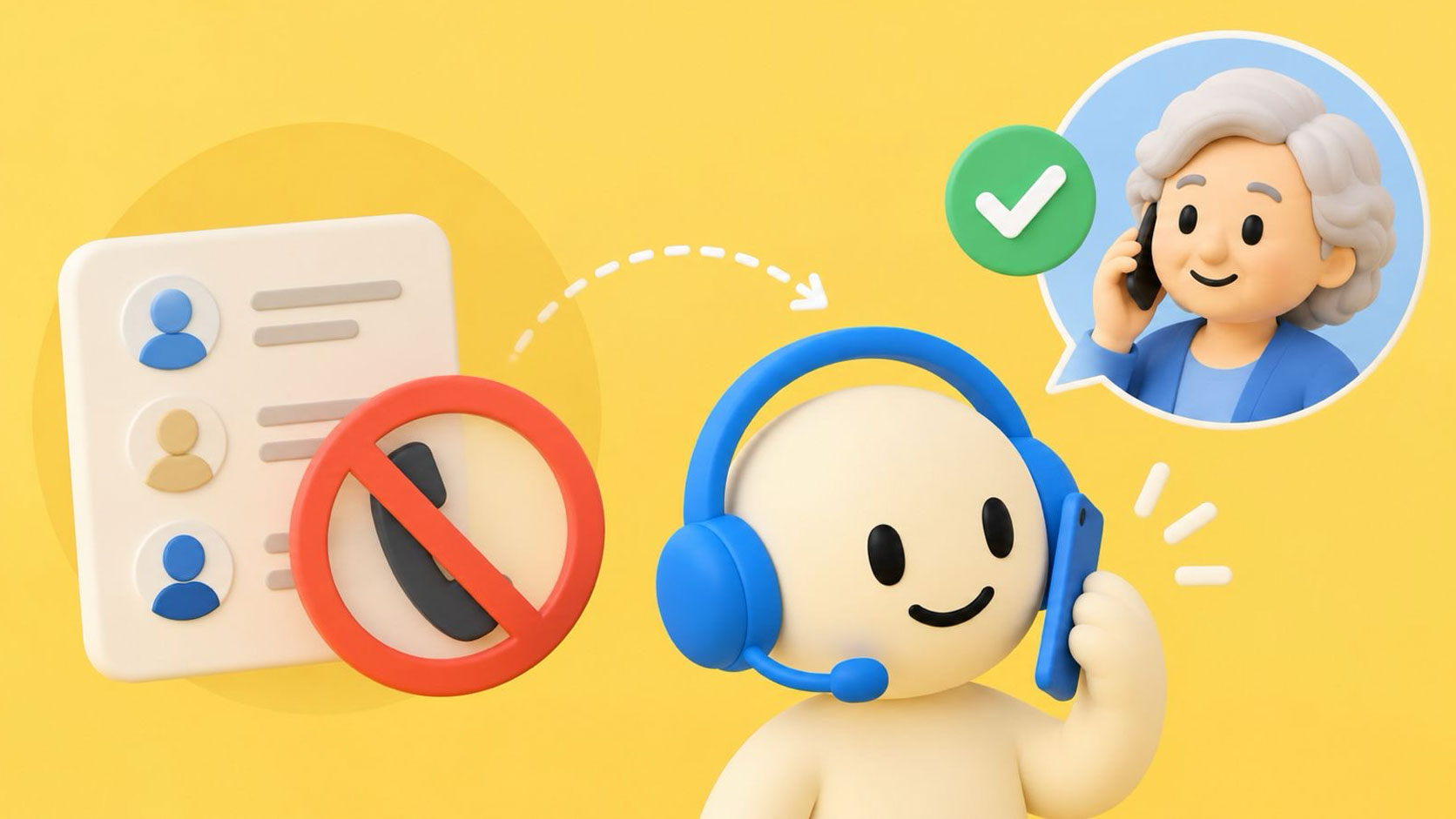
An AI agent can't just take a cold contact list and start making sales calls to consumers. Under Finnish law, direct marketing made with an automated calling system to a natural person always requires prior consent. Puhebotti doesn't make cold calls. If Puhebotti calls a customer back, that customer has already given permission to be contacted.
Technically possible and legally allowed are two different things
A modern AI answering service can hold a natural conversation, ask follow-up questions, and log the results just like a person would. The same technology could, in principle, work the other way too: an AI could dial through a contact list and market a service to consumers it has never spoken to. The technical bar for that is low. The legal bar is not.
A human cold call and a machine cold call aren't the same thing under the law
Finnish law draws a clear line based on who makes the call. When a human calls a consumer for marketing purposes, that's traditional telemarketing: it's allowed without prior consent, as long as the caller follows marketing rules and the consumer hasn't opted out of being contacted.
When an automated calling system makes the call, the situation is different. Under Finland's Act on Electronic Communications Services, direct marketing carried out with an automated calling system to a natural person always requires prior consent. The same principle already applies to marketing text messages and emails, and an AI-made phone call is no exception. Finland's Data Protection Ombudsman oversees compliance with this rule, and that oversight applies equally to automated voice agents and traditional robocalls.
If your business is considering AI for outbound sales calls, it's worth pausing before rollout: is there documented prior consent for the people being called, or does the list rest on nothing more than a public contact detail or a past customer relationship? Neither of those automatically qualifies as consent for automated direct marketing.
Puhebotti doesn't make cold calls
Puhebotti is built on an inbound principle: it answers your business's incoming calls, it doesn't dial out to strangers. When Puhebotti calls a customer back, there is always the customer's own consent to being contacted behind it. Typical situations include:
- The customer asks for a callback during a call, for example when the right person isn't reachable right away.
- The customer gives consent to a callback through a web form or another digital channel.
- The customer replies to a message that asked them to get in touch, and requests a call.
We apply the same principle in callback request handling: the request is logged on the customer's own initiative, and the call is made only after that. We don't make cold calls, because the product isn't built for it, and businesses shouldn't take on the legal risk that comes with it.
A better customer experience starts with consent
Consent isn't just a legal formality. It shapes how the call actually feels to the person receiving it. A call the customer asked for, or agreed to, is experienced as service. A call nobody asked for is experienced as an interruption, whether a human or an AI makes it. When every contact is grounded in consent, the customer already knows why the phone is ringing. That protects both the customer's patience and the business's reputation.
Already using AI for outbound calls?
Puhebotti handles incoming calls and consented callbacks, always transparently. 7-day free trial, no commitment.
Start free trial →Try Puhebotti free for 7 days
Transparent and consented AI in customer service. Set up in 1-3 days.